
Desi Month Date Today: Desi Month Date in Pakistan Today 05 Feb 2026
In Pakistan, people often rely on different traditional calendars to keep track of important cultural and religious events. Desi Month Date Today plays a crucial role in helping individuals know the correct day according to the Desi calendar, which has been followed for centuries.
ThursDay
05 February 2026
ThursDay
23 Magh 2082
ਵੀਰਵਾਰ
23 ਮਾਘ
The Desi calendar is more than just numbers; it’s a guide for festivals, auspicious days, and social gatherings. Whether you’re planning a wedding, a religious ceremony, or simply curious about today’s date in this traditional system, knowing the Today Desi Month Date keeps you connected to Pakistan’s cultural roots.
What is the Desi Calendar?
The Desi calendar has deep roots in South Asian history, dating back several centuries. It was traditionally used by communities in the Indian subcontinent to mark agricultural cycles, festivals, and religious events. Over time, it became an integral part of daily life in Pakistan, helping people track months and days according to traditional lunar and solar observations.
Key Features of the Desi Calendar
The Desi calendar is simple yet culturally rich, designed to align festivals, auspicious days, and seasonal changes accurately. Its structure is both practical for daily use and symbolic for traditional observances.
- Lunar-Solar Basis: Combines lunar months with solar adjustments to maintain alignment with seasons.
- 12 Traditional Months: Includes months like Chaitra, Vaisakh, Jyeshtha, and others, each with cultural significance.
- Festival Alignment: Marks major religious and cultural festivals, helping communities plan celebrations.
- Auspicious Days: Highlights days considered lucky for weddings, ceremonies, and other important events.
- Regional Variations: Slight differences exist in month names and start dates depending on local traditions.
You May Like: Helicopter Price in Pakistan
How Desi Month Dates Work
The Desi calendar is designed to track both lunar and solar cycles, ensuring that months and festivals align with seasons accurately. Understanding how the months are structured and how leap years are applied is key to using this calendar effectively.
Months and Their Sequence
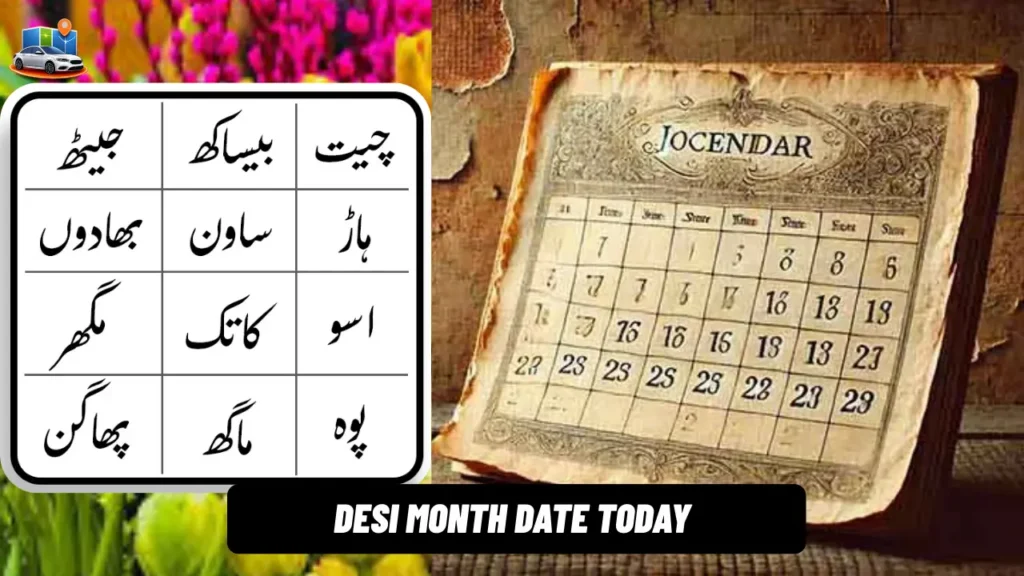
The Desi calendar consists of 12 traditional months, each with its own cultural and seasonal significance. These months are arranged in a specific sequence to follow agricultural and religious patterns. The typical order of the months includes:
- Chaitra: Marks the start of the year in some regions, associated with spring.
- Vaisakh: Often celebrated with harvest festivals.
- Jyeshtha: A month of summer heat, with special observances.
- Ashadha: Mid-year month, often linked to monsoon preparations.
- Shravana, Bhadra, Ashwin, Kartik, Margashirsha, Paush, Magh, Phalgun: Each month carries traditional festivals, seasonal changes, and auspicious days unique to local culture.
Leap Years and Adjustments
To maintain alignment with the solar year, the Desi calendar occasionally adjusts days, similar to leap years in the Gregorian calendar. These adjustments ensure that seasonal festivals and agricultural cycles remain accurate year after year. Small modifications in month lengths or the addition of an extra day keep the calendar synchronized with the sun’s movement and lunar phases.
Importance of Desi Month Dates in Pakistan
Desi Month Dates play a vital role in Pakistan, helping people stay connected with cultural traditions, religious observances, and seasonal events. They guide communities in planning celebrations, ceremonies, and everyday activities.
- Cultural Significance: Desi dates help preserve traditional customs and folk festivals, ensuring that cultural heritage is passed down through generations.
- Religious Observances: Many important religious events, like Muharram and other regional holy days, rely on the Desi calendar for accurate observance.
- Agricultural Planning: Farmers often use Desi month dates to schedule sowing, harvesting, and seasonal farming activities, ensuring better crop management.
- Social Events: Weddings, naming ceremonies, and family gatherings are planned according to auspicious Desi dates to bring good fortune and harmony.
- Regional Coordination: Communities across different regions can synchronize festivals, fairs, and ceremonies efficiently, avoiding scheduling conflicts.
Overall Conclusion
The Desi Month Date Today is more than just a way to track days, it connects people to Pakistan’s rich cultural and traditional heritage. By understanding Desi, Urdu, and Punjabi dates, individuals can celebrate festivals, plan events, and honor seasonal observances accurately. Staying aware of these dates helps preserve customs while keeping daily life in harmony with local traditions.